October 12, 2026
How to Choose the Right Mold Removal Contractors for Your Home
By @moldremovalcontractorstalk
Understanding the Mold Problem in New England Homes
Living in Boston and its surrounding areas like Cambridge and Concord means dealing with humidity, old building stock, and the occasional flood. These conditions create a perfect environment for mold growth. I have seen it happen time and again: a small leak behind a wall, a damp basement after a heavy rain, or a poorly ventilated bathroom. Within weeks, the musty smell appears, and soon after, visible patches of black, green, or white mold start spreading.
Mold is not just an eyesore. It can affect the air you breathe and cause health issues for your family. The EPA has clear guidelines on indoor air quality (IAQ) and mold prevention. But knowing the science is one thing. Knowing how to fix the problem effectively is another. That is where professional mold removal contractors come in. They bring the right equipment, training, and experience to do the job safely and thoroughly.
What Sets Professional Mold Remediation Apart
When you first discover mold, the instinct might be to grab a bottle of bleach and start scrubbing. I have made that mistake myself. Bleach can kill surface mold on non-porous surfaces, but it does little to stop mold from growing inside drywall, wood, or insulation. Worse, the water in bleach solutions can actually feed the mold, making it grow back stronger. Professional mold removal contractors understand this. They use a combination of mechanical cleaning, HEPA vacuuming, and approved fungicides to remove mold at the root.
For example, in Boston’s older homes, mold often hides inside wall cavities or under hardwood floors. A contractor might use dry ice blasting to clean structural beams without damaging the wood or spreading spores. This technique is especially useful in historic properties in Concord where preserving original materials matters. It is a far cry from the DIY approach of spraying bleach and hoping for the best.
The Importance of a Proper Mold Inspection
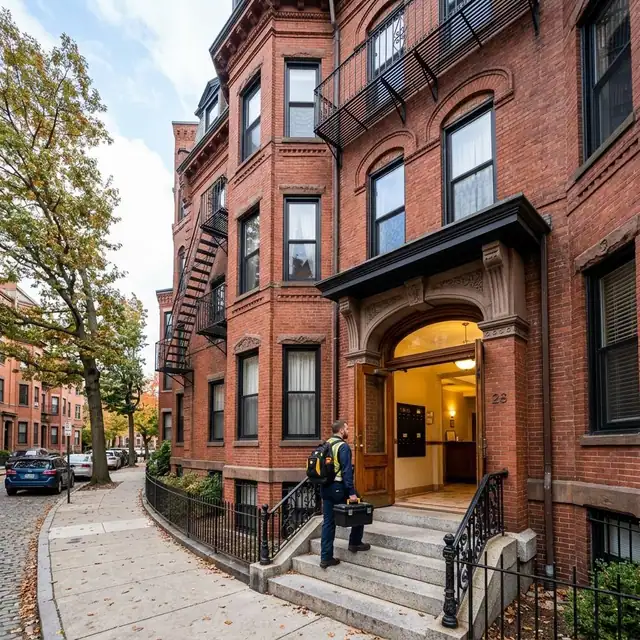
Before any remediation begins, a mold inspection is essential. A good inspector will look for visible mold, moisture sources, and hidden growth using tools like moisture meters and borescopes. They may also take air samples to measure spore counts. This step tells you the scope of the problem and helps mold removal contractors plan the right approach. Without an inspection, you are guessing. And guessing can lead to incomplete removal or unnecessary work.
I recommend hiring an inspector who follows the IICRC standards. The IICRC sets the benchmark for cleaning and restoration industries. Companies like PuroClean and Servpro often employ IICRC-certified technicians. These professionals know how to contain the affected area, use negative air pressure, and dispose of contaminated materials safely. They also understand the risks of disturbing asbestos or fiberglass in older buildings, which requires special handling.
Choosing Between National Chains and Local Experts
Boston has a mix of large restoration companies and smaller local contractors. National brands like PuroClean and Servpro have resources and call centers that can respond quickly. They often handle large-scale water damage and mold jobs from start to finish. On the other hand, smaller mold removal contractors based in Cambridge or Concord may offer more personalized service and better knowledge of local building codes. They might also be more willing to work with your schedule or on a tight budget.
Both options have trade-offs. A national chain might send a crew that rotates frequently, while a local contractor might be the same person you talk to on the phone. I have worked with both types. The key is to ask about their experience with mold specifically, not just water damage. Mold remediation requires a different skill set than drying out a flooded basement. Look for contractors who specialize in mold and have references from similar jobs in your area.
What to Expect During Mold Remediation
Once you hire mold removal contractors, the process usually follows a few standard steps. First, they seal off the work area with plastic sheeting and use negative air pressure to prevent spores from spreading. Then they remove any moldy materials like drywall, insulation, or carpet. These are bagged and disposed of according to EPA guidelines. After removal, they clean the remaining surfaces with a fungicide and follow up with a HEPA vacuum to capture fine particles.
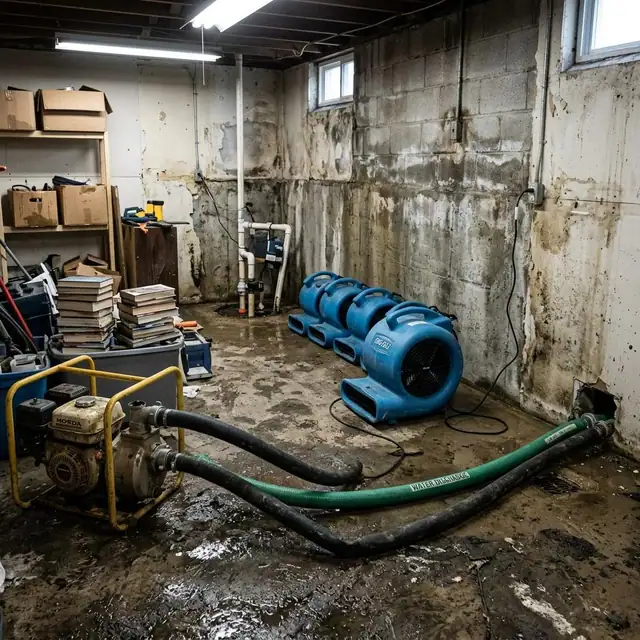
In some cases, they may treat the area with a non-toxic solution like Borax, which can inhibit future mold growth without introducing harsh chemicals. Borax is a natural mineral that works well on porous surfaces and is safer for homes with children or pets. After cleaning, the area must be dried completely. This might involve running a dehumidifier for several days or using air movers. Mold needs moisture to survive, so drying the space is the most important prevention step.
Preventing Mold After Remediation
Once the mold is gone, the goal is to keep it from coming back. That means controlling moisture. In Boston’s climate, that often means using a dehumidifier in basements and crawl spaces. It also means fixing leaks in roofs, pipes, and windows promptly. Proper ventilation in bathrooms and kitchens helps too. An HVAC system with good filtration can improve overall IAQ and reduce the humidity that mold needs to grow.
Simple habits make a difference. Wiping down shower walls after use, running the exhaust fan during cooking, and keeping closet doors open to allow air circulation. These small actions, combined with periodic inspections, can prevent a minor mold issue from becoming a major problem. If you live in an older building in Cambridge or Concord, pay extra attention to areas near windows and exterior walls where condensation forms.
When to Call in the Professionals
Not every patch of mold requires a full remediation crew. A small spot on a shower wall can often be cleaned with a vinegar solution or a non-toxic cleaner. But if the mold covers more than a few square feet, if it is behind walls or under flooring, or if anyone in the home has asthma or allergies, it is time to call mold removal contractors. They have the training and equipment to handle the job without spreading spores to other parts of the house.
I have seen homeowners try to tackle a mold problem themselves only to make it worse. They scrub visible mold but miss the hidden growth in the wall cavity. The mold continues to spread, and the health problems persist. A professional mold inspection and remediation can save you time, money, and frustration in the long run. It also gives you peace of mind knowing the job was done right.
Costs and Considerations
The cost of mold remediation varies widely depending on the extent of the damage, the size of the affected area, and the methods used. Small jobs might run a few hundred dollars. Large-scale remediation involving dry ice blasting or HVAC duct cleaning can cost several thousand. Insurance sometimes covers mold damage if it is caused by a covered water event like a burst pipe. But many policies exclude mold from long-term leaks or high humidity. Check your policy before assuming coverage.
When getting quotes from mold removal contractors, ask for a detailed scope of work. What will they remove? What cleaning methods will they use? Will they test the air after remediation to confirm the mold is gone? A reputable contractor will provide a written plan and answer your questions without hesitation. Avoid companies that give vague estimates or pressure you into signing a contract on the spot.
Final Thoughts on Mold Remediation
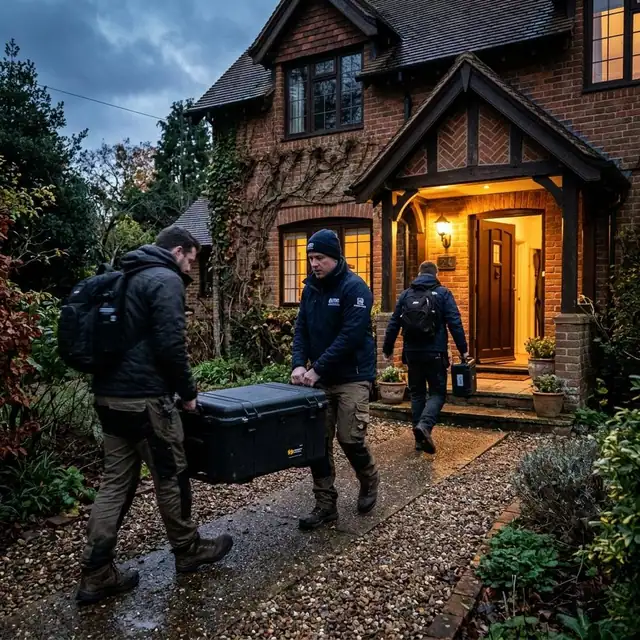
Living in New England means learning to coexist with moisture. But you do not have to live with mold. With the right knowledge and the help of skilled mold removal contractors, you can protect your home and your health. Whether you are dealing with a small patch in a closet or a full basement renovation, professional remediation is an investment that pays off in cleaner air and fewer worries.
Take the time to research contractors, ask about their certifications and experience, and trust your instincts. A good contractor will listen to your concerns, explain the process clearly, and leave your home safe and dry. Mold is stubborn, but with the right team, it can be beaten.
❧